From the initial idea of the client to the breathtaking audiovisual show, there is a process that has its steps and certain rules. This is how we achieve the best effect at acceptable costs.
WHAT ARE THE MAIN FUNCTIONS OF LIGHTING TECHNOLOGY, LIGHT DESIGN?
Lighting design determines the visibility of objects on stage.
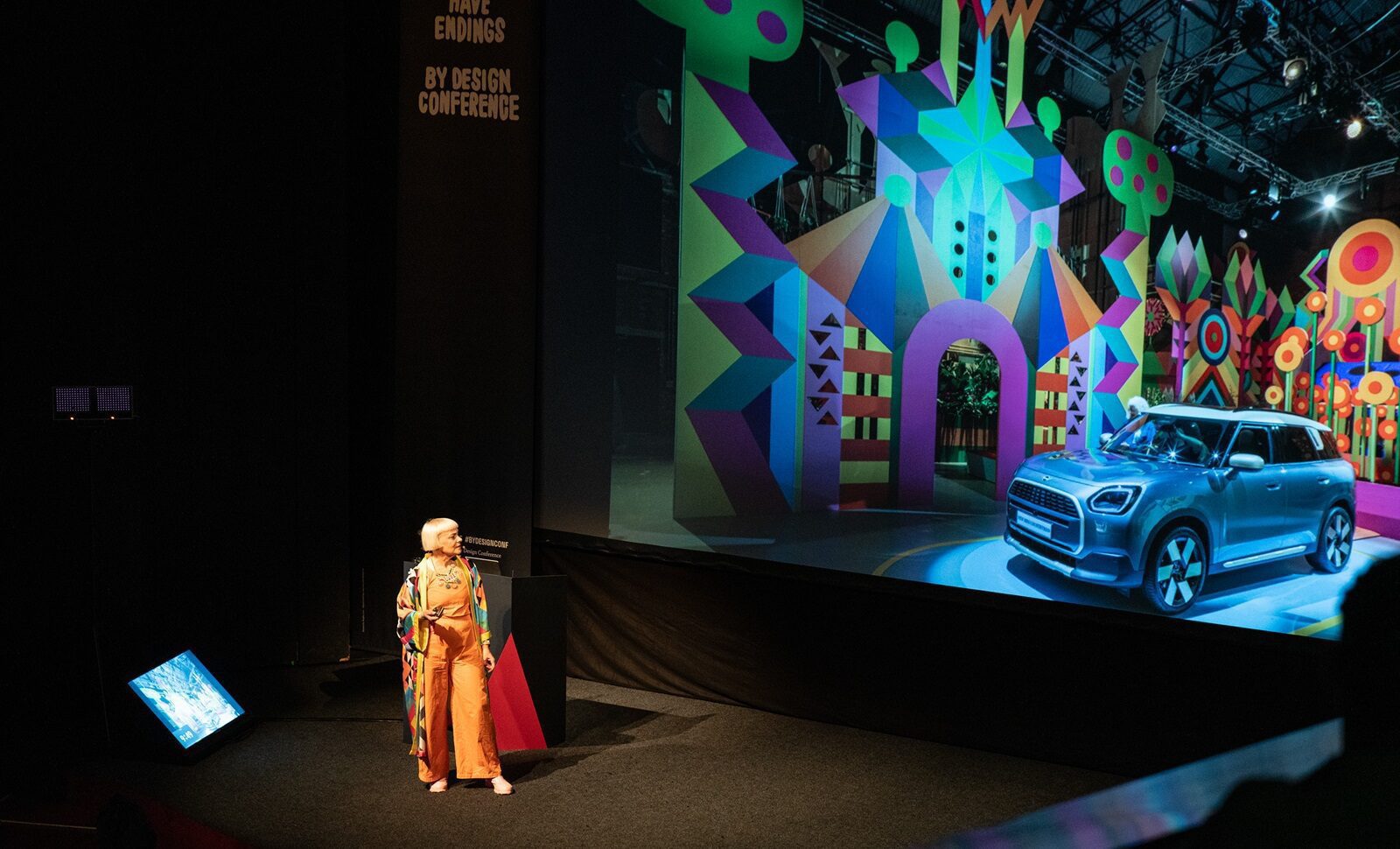
Light on stage can be metaphorically described as "a play of contrasts" between the background and what is on stage. Properly chosen lighting directs the audience's attention to a specific event or, conversely, diverts attention elsewhere.
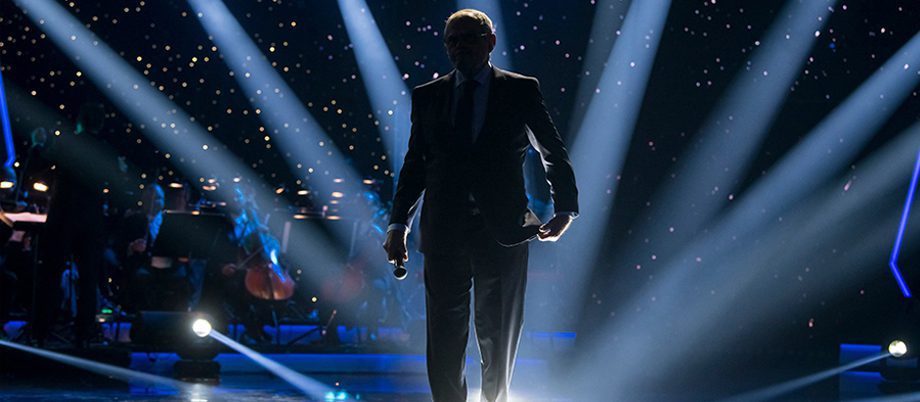
Mysterious arrival of the actor on stage
Lighting design defines the shape and depth of the scene
With light, we can achieve various spatial perceptions of the scene. For example, if we illuminate an object only from the front, it will appear flat, two-dimensional. As soon as we add light from the side or behind, the entire shape of the object is revealed, and it is perceived as three-dimensional.
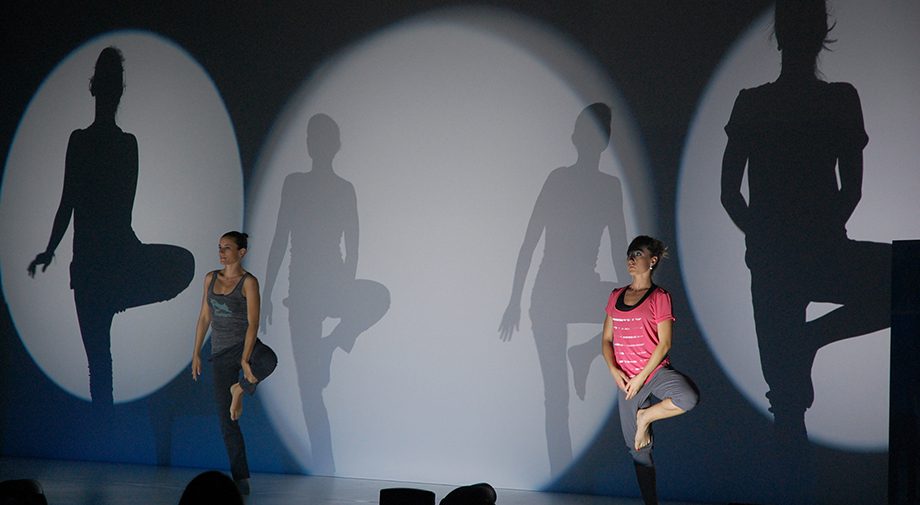
Combination of light and shadow to highlight the choreography
Lighting design creates mood, feeling, or time period
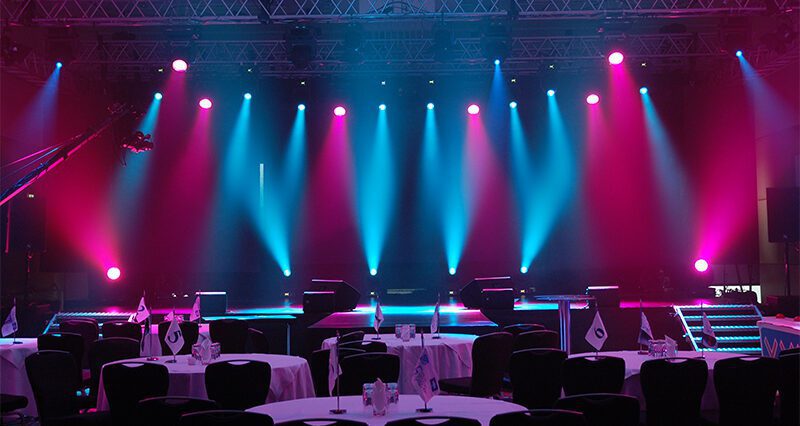
Color shades of light can create subconscious feelings or moods. Imagine entering a room filled with light blue and lavender colors. For most of us, this evokes a sense of peace and calm. How would you feel if the room were lit in blood red? The same applies to time periods. For an evening sunset scene, we would support it with orange colors and warm light shades. For a nighttime scene, we would choose blue and cool shades.
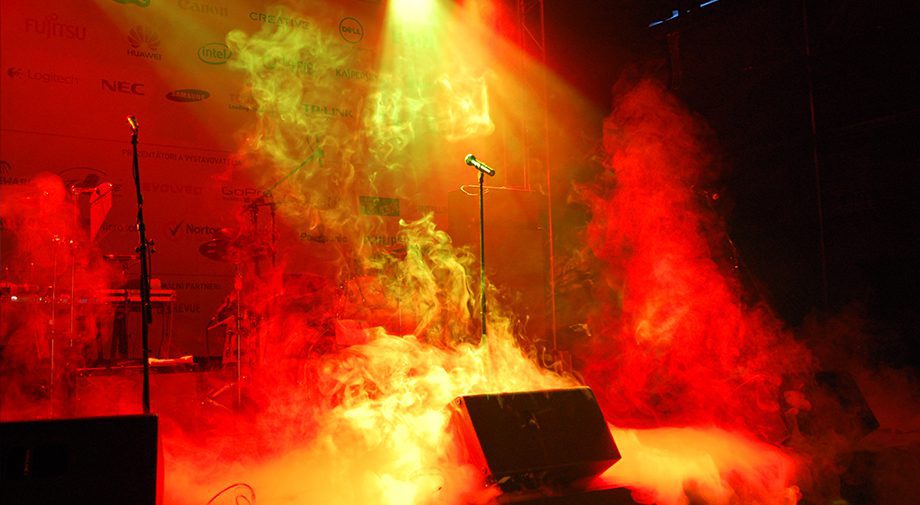
Infernal atmosphere enhanced by red and orange lights
It starts with turning on the light bulb
Initially, the light needs to be turned on—not on stage, but in the mind. We need to give the event an initial idea, concept, or theme that will underpin all other components involved in the production. A well-designed lighting design for the event will give you originality and create a subconsciously pleasant feeling in visitors—right upon entering the lit space. It is as important a component as quality catering.
Budget vs. final vision is a battle that should have no winner
In an ideal world, the vision would always win, but as the saying goes—everything fun costs something. It is very important for us to communicate with the client from the beginning not only about their idea but also to estimate the budget as accurately as possible from the initial concepts.
The financial costs of lighting design for an event are not just about renting technical equipment. A significant part of the budget consists of the installation and operation of these devices. There is a big difference if your event takes place in a theater where lighting rigs, ramps, electricity, and overall space are designed for production. In such cases, you have ideal conditions. Conversely, a fashion show in a forest in the middle of a large park requires bringing everything in and preparing for any weather.
In some cases, minimalism wins, and just a few appropriately chosen lights, coordinated color combinations, or gobos can achieve the desired effect. This is often the case with lighting historical buildings or designer architecture. At other times, it is necessary to bring in trucks of lights, hang dozens, sometimes hundreds of pieces in the hall, to achieve the volume and grandeur of the show.
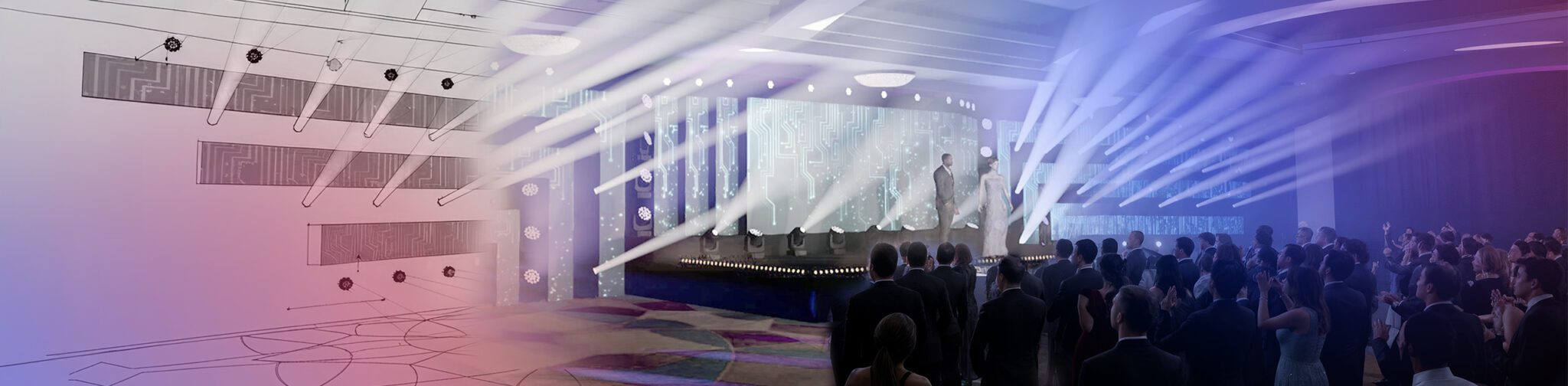
A skilled lighting designer knows how to find the right balance between the budget and the client's requirements. Savings can be achieved in various ways. For example, programming the entire show in visualization software in advance can save costs on renting space and technicians during rehearsals.
Tomáš Forgáč – Executive Director