WHO IS INVOLVED IN LIGHTING DESIGN?
Is it enough to have just one person, or do we need a meticulously designed team of people?
Each event is unique and different. Depending on the scope and importance of the lighting design, a specific composition of the production team is required. Sometimes one person is sufficient for the lighting design; other times, it involves months of work by a whole team of lighting technicians, designers, and engineers. In the case of television productions, the main cameraman is also involved. Let's take a closer look at the responsibilities of these interesting positions:
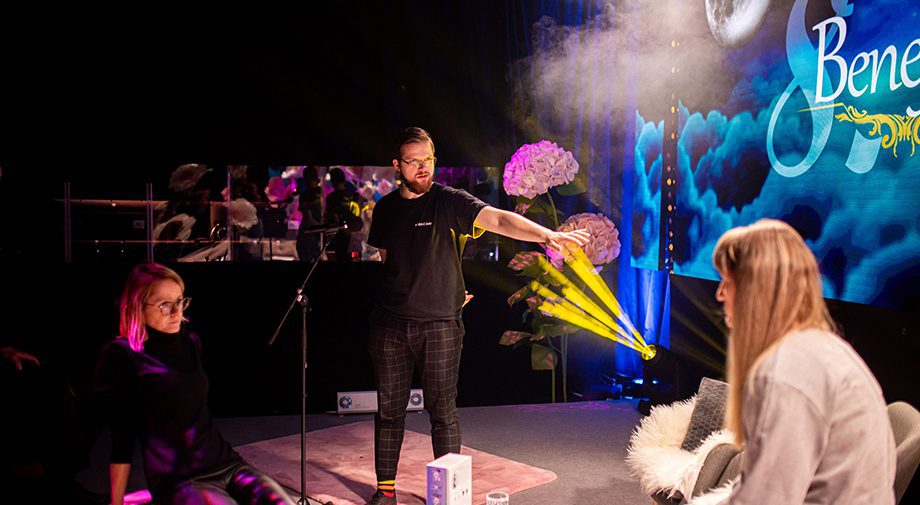
Lighting designer communicating with the client
Director – has a vision of the overall appearance of the scene at a given moment, which includes the lights. They communicate directly with the lighting console operator or lighting designer regarding their ideas. The director does not need to have precise technical information or an overview of the lighting inventory; that is the lighting technician's responsibility.
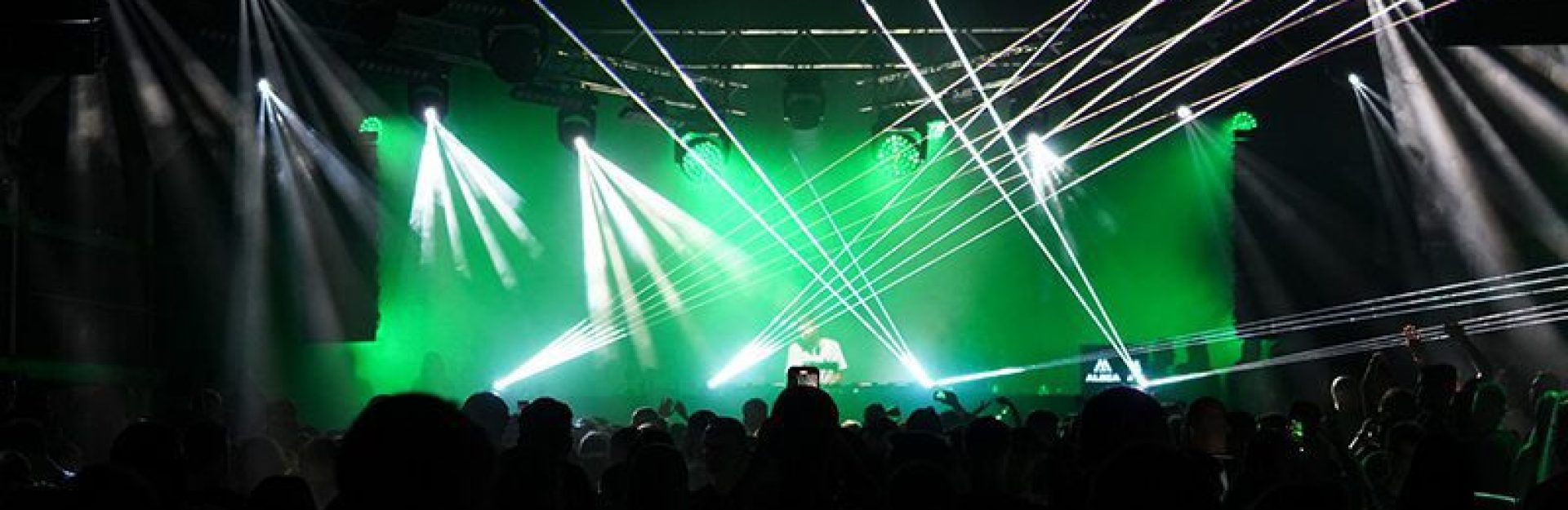
Lighting Designer – is the person who designs the layout of the lights, types, and methods of installation. They communicate with the director or client and select the appropriate lighting inventory and rigging structures for individual devices based on their ideas. The drawing of the scene with lights (the plan) is professionally called a light plot. It contains all the information for the assembly technicians and the lighting console operator who will control the lights.
Lighting Console Operator – uses the control console to manage lighting changes, set color combinations, adjust light intensity, and other parameters, which are then stored in programming memory. During the event, they follow the script and trigger pre-agreed lighting scenes (cues), either manually by pressing the corresponding button at the director's command or through an automated process using timecode. The operator is, in this case, a supervisory element and responds to any unplanned changes on stage. Often, the lighting console operator and designer are the same person.
Lighting Technician/Assistant – is responsible for the assembly of lights, cabling, adjustments, and proper functioning. They communicate with the lighting designer and follow the light plot. Safety is also crucial, such as safety cables for suspended equipment and proper electrical connections.
What should a good lighting designer keep in mind?
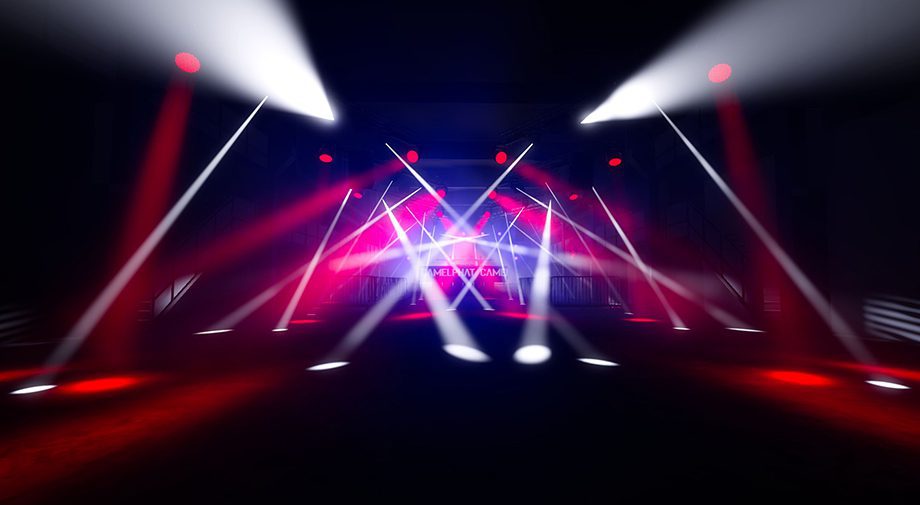
3D visualization of the lighting scene
The first idea and sketch are very important
The work of a lighting designer begins with a meeting with the director or client. The first step is to listen to their ideas about how the event should look, what the role of the lights will be, and what effect they should achieve for the audience. Subsequently, the technical part starts with surveying the spaces where the show will take place. Architects in the past drew buildings by hand on paper, but today they use various CAD engineering programs that simulate many surrounding parameters. The same applies to lighting design. The use of visualization software is now standard. Powerful graphics cards and sophisticated algorithms can create a realistic simulation of the lighting scene, accounting for reflections from glossy surfaces, stray light from projection screens, and many other important details. An important part is the previously mentioned light plot, which is an integral part of the work of the entire team. It contains information about the type of lights, their positions, settings, etc. It is usually created from multiple views and layers depending on the complexity of the scene so that the lighting technicians can hang the lights, connect them to the power supply, and set them to respond correctly to commands from the lighting console.
After hanging and adjusting the lights, the process of programming the lighting scenes follows. The lighting technician usually collaborates with the director or main cameraman to create scenes with the desired feeling using the lighting console, adhering to the script’s instructions.
What about larger shows?
For larger or more complex requirements, a so-called cuelist is very helpful. A cuelist is a list of lighting scenes that will be used during the event. It contains more detailed information about the light settings: color, intensity, dynamics, or positions.
Lighting design and event lighting is an interesting field where artistic sensibility closely intertwines with the latest technologies from the events industry. For engaging lighting design, it is essential to combine creativity, ideas, and knowledge of the latest technological possibilities.
![Screenshot of the playback view interface for the cue list called „Playback[7]“. It shows columns for Legend, Delay In, Delay In, Fade In, Delay Out, Fade Out, etc., and has three cues listed with details such as timing and autocue.](https://www.hurricane.sk/app/uploads/2024/05/cue-list.jpg)
This is what a cuelist can look like too.
Tomáš Forgáč – Executive Director